

Construction of Geocell: Methods and Key Points
Release time:
Feb 21,2023
Introduction
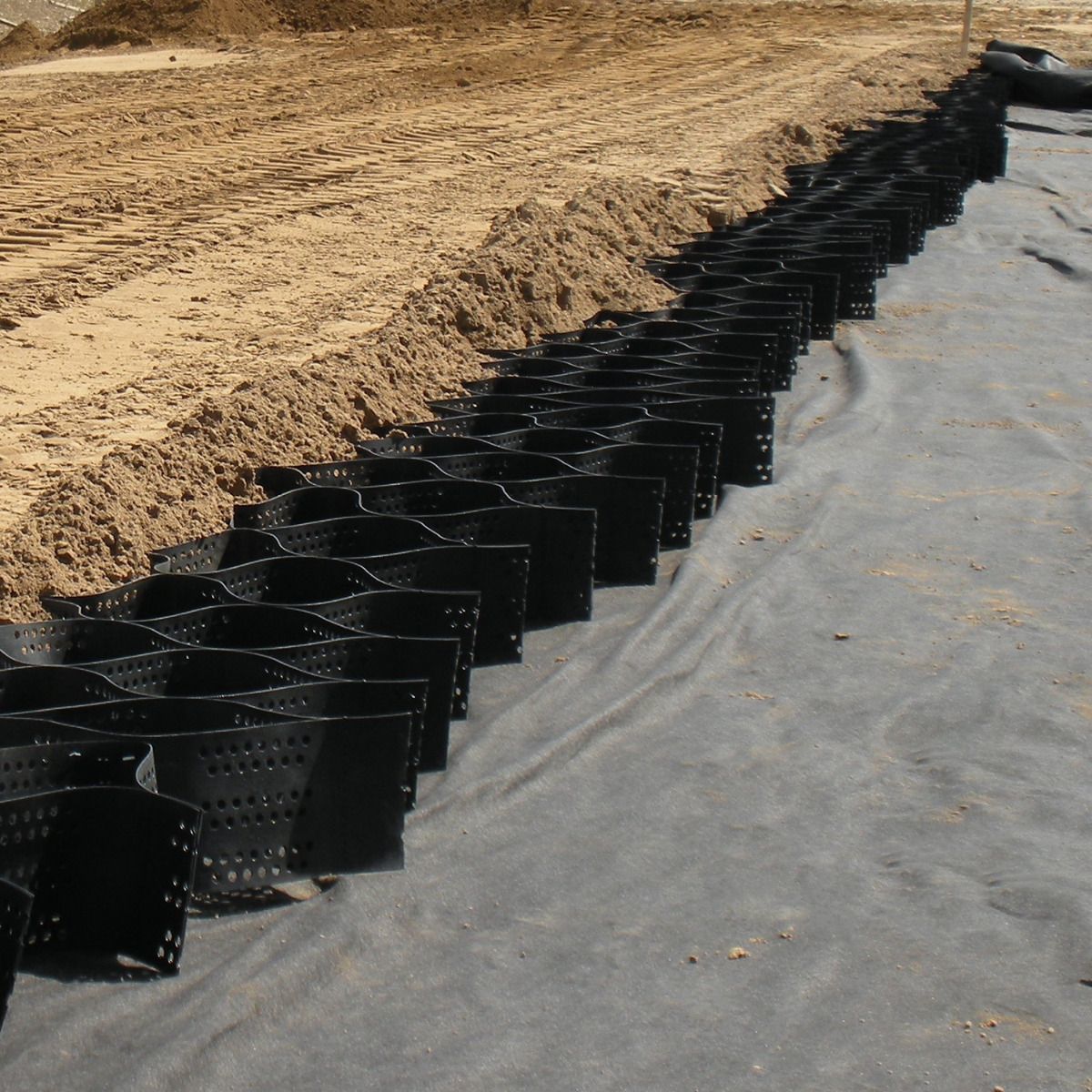
Geocell is a three-dimensional honeycomb-like structure made from high-density polyethylene (HDPE) or other polymeric materials. It is widely used in civil engineering for soil stabilization, slope protection, roadbed reinforcement, and erosion control. Proper construction techniques are crucial to ensure its effectiveness and durability.
Construction Steps
1. Site Preparation
Clear the construction area of debris, vegetation, and loose soil.
Level and compact the ground to provide a stable foundation.
Ensure proper drainage to prevent water accumulation.
2. Material Handling & Layout
Unfold the geocell panels and stretch them to their full expansion.
Secure the geocell in place using anchoring pins or stakes at regular intervals.
Connect adjacent geocell sections using interlocking clips or staples to form a continuous structure.
3. Filling the Geocell
Fill the cells with suitable materials such as gravel, sand, or soil, depending on the application.
Compact the fill material in layers to achieve optimal density (typically 90-95% compaction).
Avoid overfilling to prevent deformation of the geocell structure.
4. Surface Finishing
Level the surface to ensure uniformity.
For road applications, apply an additional wearing course (asphalt or concrete) if required.
For vegetative applications, add topsoil and seeds for erosion control.
5. Quality Control & Inspection
Check the alignment and stability of the geocell structure.
Verify compaction levels and fill material quality.
Inspect connections and anchoring points for durability.
Key Considerations
Material Selection: Choose geocell with appropriate tensile strength and resistance to environmental conditions.
Proper Anchoring: Ensure sufficient anchoring to prevent displacement under load.
Drainage Management: Incorporate drainage systems to avoid waterlogging.
Load Distribution: Optimize fill material to evenly distribute loads.
Applications
Road and railway subgrade reinforcement
Slope and embankment stabilization
Retaining wall backfill support
Erosion control in channels and shorelines
Conclusion
Geocell construction requires careful planning, proper material selection, and precise execution. When installed correctly, it significantly enhances soil stability and load-bearing capacity, making it a cost-effective solution for various geotechnical challenges.
Would you like any modifications or additional details on specific aspects?
News

Construction of Geocells: A Technical Overview with Application Guidelines
Geocells, also known as cellular confinement systems, are three-dimensional, honeycomb-like structures made from novel polymer alloys (often HDPE or polyester). When expanded and filled with soil, aggregate, or concrete, they form a rigid mattress that provides exceptional confinement, erosion control, and load distribution. This article details their key advantages, critical parameters, and a step-by-step construction methodology.

Geomembrane Installation: Procedures, Specifications, and Best Practices
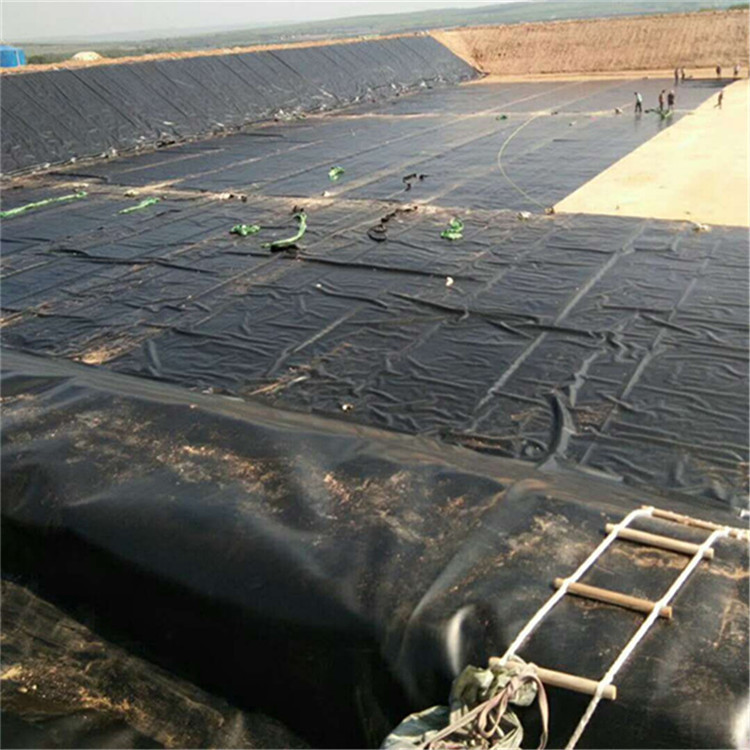
Geomembranes are impermeable polymeric sheets used extensively in environmental, hydraulic, and geotechnical engineering applications such as landfills, reservoirs, canals, and containment ponds. Proper installation is critical to ensure their long-term performance and integrity. This article outlines the standard installation methodology and provides key technical specifications.

Geotextiles in Reservoir Engineering: Impermeability, Filtration, and Construction
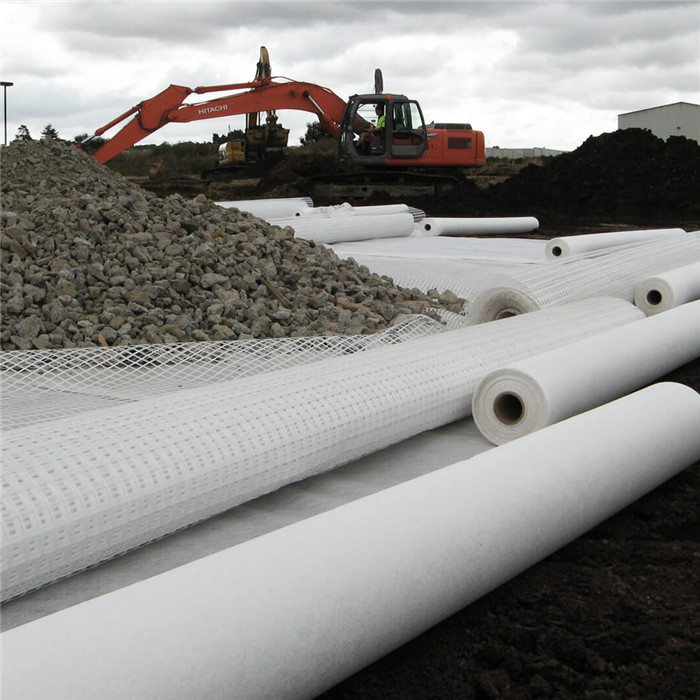
Consulting Brief: Geotextiles for Reservoir Integrity Objective: To implement a cost-effective geotextile solution for enhancing the performance and longevity of reservoir impermeable liner systems. Proposed Solution: Utilize a non-woven polypropylene geotextile as a protective and filtration layer beneath the primary HDPE geomembrane. This composite system ensures a robust and durable barrier against water seepage.
Key Advantages of Geocells for Railway Subgrade Reinforcement
Geocells, a three-dimensional cellular confinement system, offer significant advantages for stabilizing and reinforcing railway subgrades. Their unique structure provides a robust solution for challenging soil conditions.
Contact Us
Tel: +86-538-6110571
Fax: +86-538-8411002
E-mail: sales@rhgeos.com
Whatspp: 8615866038408
Address: NO.3566 Longquan Road, Tai'an Hi-tech Zone, Shandong Province, China

Copyright © Tai'an City Ruiheng Building Materials Co., Ltd.