

Application of Geomembranes in Chemical Wastewater Ponds
Release time:
Mar 19,2023
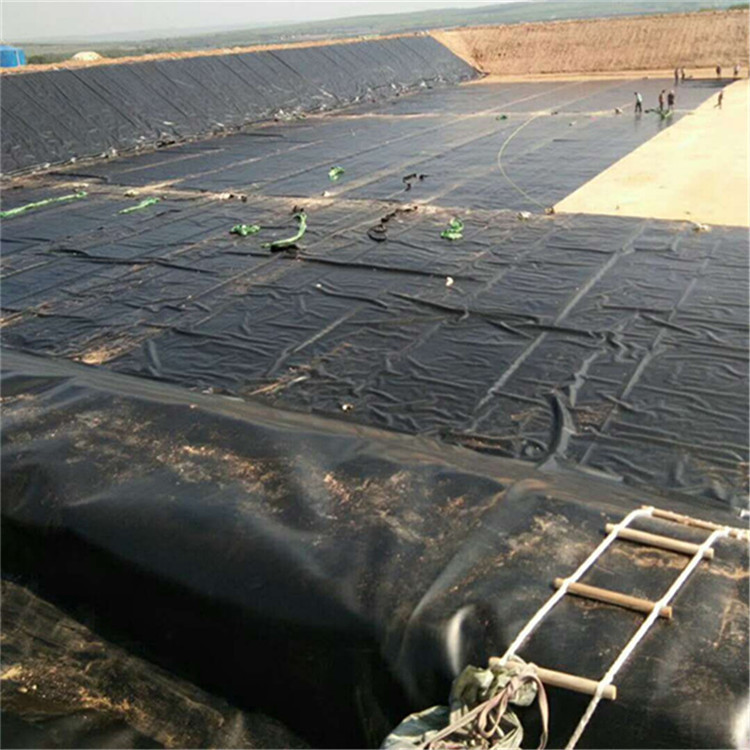
Geomembranes play a crucial role in the containment and management of chemical wastewater ponds, providing an impermeable barrier that prevents hazardous liquids from contaminating surrounding soil and groundwater. In industrial and chemical processing facilities, wastewater often contains toxic substances, heavy metals, and corrosive compounds, making reliable lining systems essential.
Key Benefits of Geomembranes in Chemical Wastewater Ponds
Chemical Resistance – High-density polyethylene (HDPE), polyvinyl chloride (PVC), and chlorosulfonated polyethylene (CSPE) geomembranes offer excellent resistance to acids, alkalis, and organic solvents.
Leak Prevention – A properly installed geomembrane liner minimizes seepage, ensuring compliance with environmental regulations.
Durability – UV-stabilized and reinforced geomembranes withstand harsh conditions, including temperature fluctuations and mechanical stress.
Cost-Effectiveness – Compared to traditional concrete or clay liners, geomembranes are easier to install and maintain while providing superior impermeability.
Installation and Quality Control
Surface Preparation: The subgrade must be smooth and free of sharp objects to prevent punctures.
Welding & Seaming: Thermal or chemical fusion ensures seam integrity, with non-destructive testing (e.g., air pressure or spark tests) verifying leak-tightness.
Protective Layers: Nonwoven geotextiles may be used as cushioning to protect the geomembrane from abrasion.
Environmental and Regulatory Compliance
Geomembranes help industries meet stringent environmental standards (e.g., EPA, EU Directives) by preventing pollutant migration. Regular inspections and integrity assessments extend service life and prevent failures.
Conclusion
In chemical wastewater applications, geomembranes provide a reliable, long-term solution for environmental protection. Material selection, proper installation, and quality assurance are critical to ensuring performance and regulatory compliance.
Would you like any modifications or additional details on specific aspects?
News

Construction of Geocells: A Technical Overview with Application Guidelines
Geocells, also known as cellular confinement systems, are three-dimensional, honeycomb-like structures made from novel polymer alloys (often HDPE or polyester). When expanded and filled with soil, aggregate, or concrete, they form a rigid mattress that provides exceptional confinement, erosion control, and load distribution. This article details their key advantages, critical parameters, and a step-by-step construction methodology.

Geomembrane Installation: Procedures, Specifications, and Best Practices
Geomembranes are impermeable polymeric sheets used extensively in environmental, hydraulic, and geotechnical engineering applications such as landfills, reservoirs, canals, and containment ponds. Proper installation is critical to ensure their long-term performance and integrity. This article outlines the standard installation methodology and provides key technical specifications.

Geotextiles in Reservoir Engineering: Impermeability, Filtration, and Construction
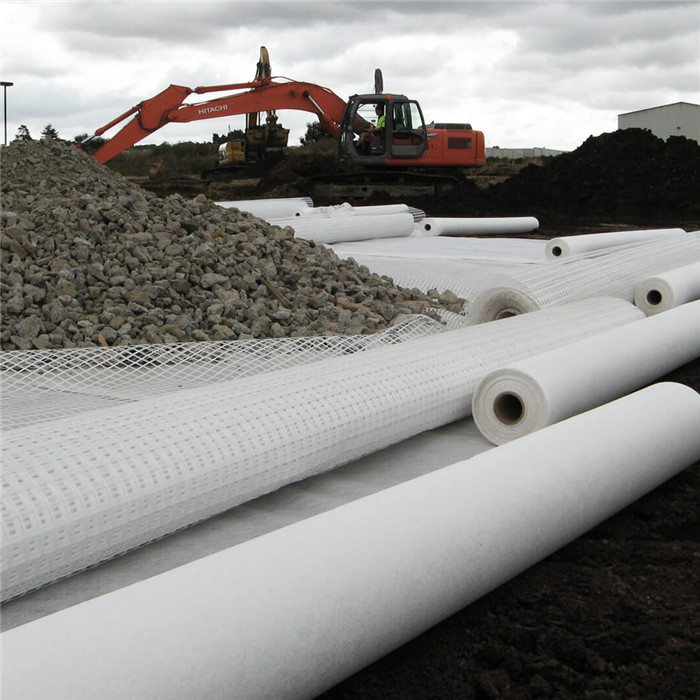
Consulting Brief: Geotextiles for Reservoir Integrity Objective: To implement a cost-effective geotextile solution for enhancing the performance and longevity of reservoir impermeable liner systems. Proposed Solution: Utilize a non-woven polypropylene geotextile as a protective and filtration layer beneath the primary HDPE geomembrane. This composite system ensures a robust and durable barrier against water seepage.
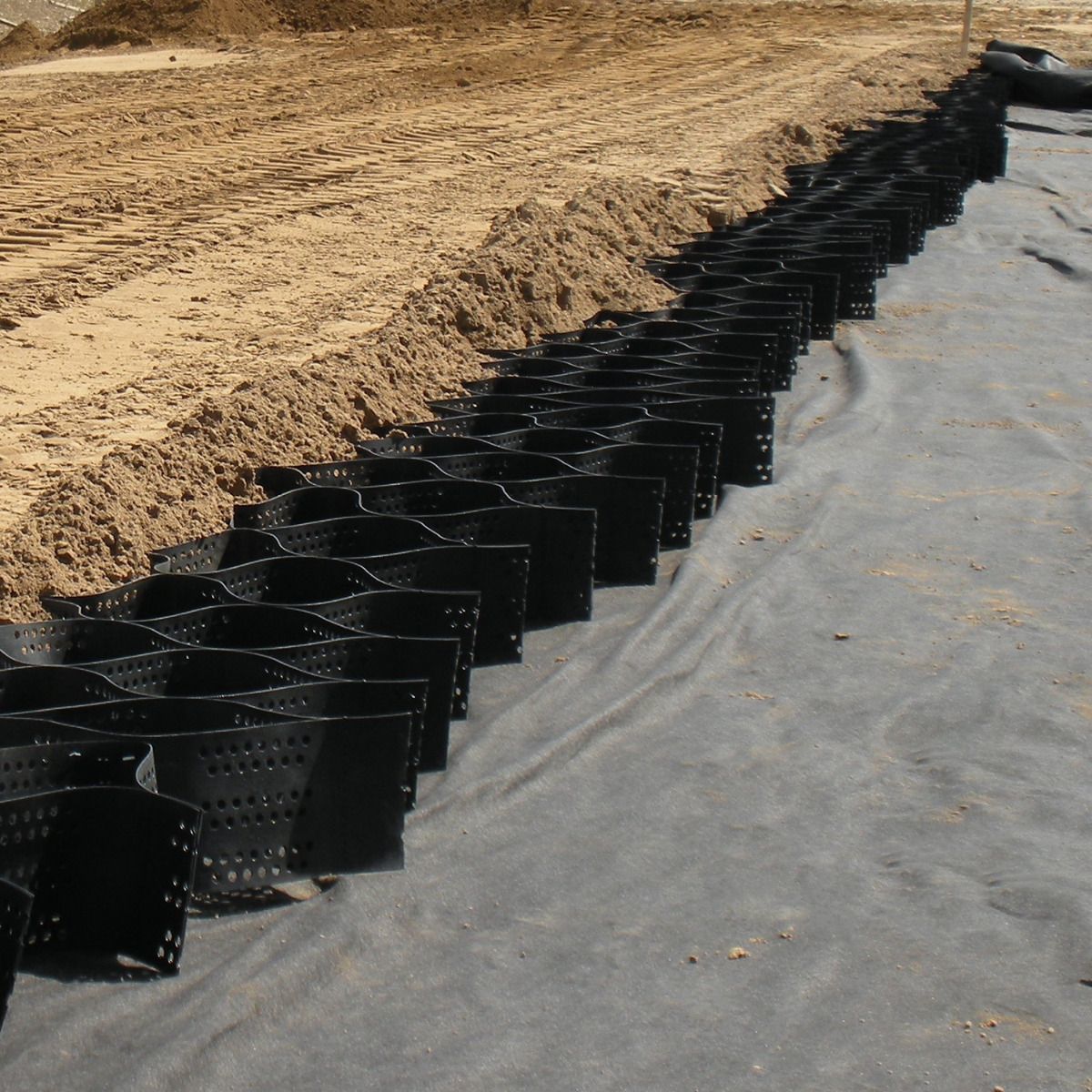
Key Advantages of Geocells for Railway Subgrade Reinforcement
Geocells, a three-dimensional cellular confinement system, offer significant advantages for stabilizing and reinforcing railway subgrades. Their unique structure provides a robust solution for challenging soil conditions.
Contact Us
Tel: +86-538-6110571
Fax: +86-538-8411002
E-mail: sales@rhgeos.com
Whatspp: 8615866038408
Address: NO.3566 Longquan Road, Tai'an Hi-tech Zone, Shandong Province, China

Copyright © Tai'an City Ruiheng Building Materials Co., Ltd.