

Construction of Geocells: A Technical Overview with Application Guidelines
Release time:
Dec 19,2025
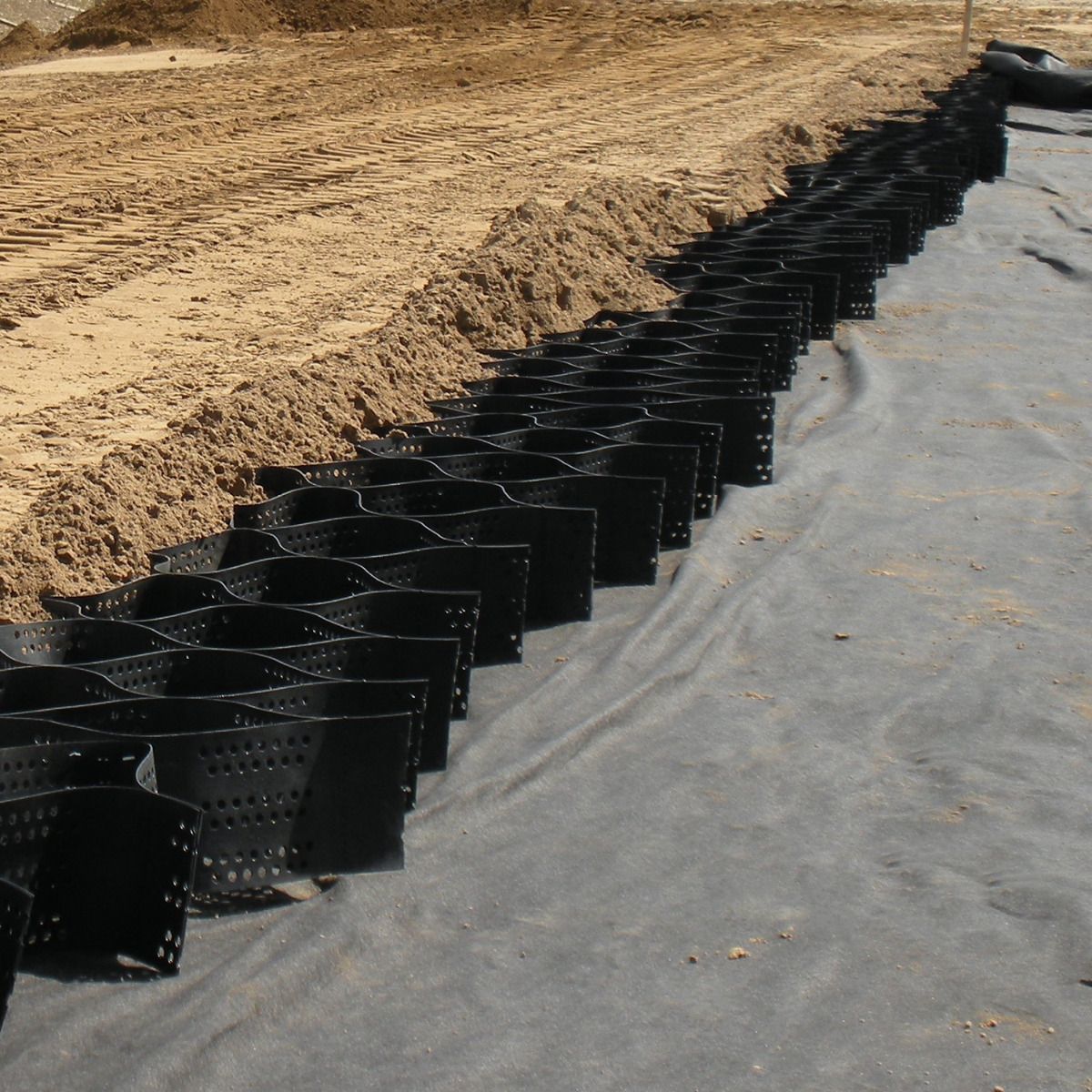
Geocells, also known as cellular confinement systems, are three-dimensional, honeycomb-like structures made from novel polymer alloys (often HDPE or polyester). When expanded and filled with soil, aggregate, or concrete, they form a rigid mattress that provides exceptional confinement, erosion control, and load distribution. This article details their key advantages, critical parameters, and a step-by-step construction methodology.
Key Advantages of Geocells
Superior Load-Bearing and Soil Stabilization: Geocells dramatically improve the load-bearing capacity of weak subgrades by laterally confining infill materials. This confinement reduces vertical stress on the subgrade by up to 40% compared to unreinforced sections, enabling construction over soft soils (CBR as low as 1%) and reducing required aggregate thickness by 30-50% for equivalent performance.
Erosion Control and Slope Protection: The cellular structure provides excellent resistance to surface water runoff and wind forces. On slopes, geocells reduce erosion by over 90% compared to loose riprap or vegetated slopes alone. They securely hold topsoil and vegetation, promoting root interlock for permanent, eco-friendly stabilization on slopes up to 1:1 (45 degrees).
Cost-Effectiveness and Sustainability: By significantly reducing the volume of required high-quality imported fill material and accelerating construction, geocells can lower project costs by 15-30%. They are a sustainable solution, often allowing the use of on-site granular materials, reducing carbon footprint from material transport, and providing a durable, long-life structure (design life exceeding 75 years for HDPE grades).

Typical Product Data Parameters
Material: High-Density Polyethylene (HDPE), Polyester
Cell Depth (Height): 100 mm, 150 mm, 200 mm, 300 mm
Cell Size (Welded Seam Distance): 330 mm x 330 mm is standard; other sizes available.
Seam Peel Strength: ≥ 900 N/100mm (for HDPE, per ASTM D4885)
Strip Tensile Strength: ≥ 23 kN/m (per ASTM D6637)
Carbon Black Content: ≥ 2% for UV resistance.
Step-by-Step Construction Methodology
Phase 1: Site Preparation
Survey & Staking: Mark the final surface lines and grades.
Excavation/Grading: Clear and grade the area to the required subgrade elevation. Remove all vegetation, debris, and unstable soil.
Subgrade Compaction: Compact the subgrade to a minimum of 90% of Maximum Dry Density (Standard Proctor, ASTM D698). The surface must be even and firm to prevent puncturing.
Phase 2: Geocell Installation
Anchor Placement: Stake the perimeter of the installation area. On slopes, begin installation from the crest. Use U-shaped or J-shaped anchor pins (typically 16mm diameter, 450-600mm length) made of steel or rebar.
Layout and Expansion: Roll out the geocell panels perpendicular to the direction of traffic or slope face. Expand the panels fully to their designed cell dimensions. Connect adjacent panels using manufacturer-supplied connective ties or staples at the seams.
Anchoring: Secure the fully expanded geocell to the prepared subgrade using anchor pins. Place pins at the cell junctions around the perimeter and at regular intervals within the field (typically every 1-2 cells in a staggered pattern).
Phase 3: Infilling and Compaction
Infill Material Selection: Use approved granular material (e.g., crushed stone, sand, on-site soil). Particle size should be less than 1/3 of the cell's smallest dimension.
Filling Sequence: Fill the cells from one side to ensure uniform expansion. Pour infill material in lifts not exceeding 1/3 of the cell depth. Use a tracked loader or conveyor to avoid damaging the cells; never drop material from heights >1 meter directly onto the geocell.
Compaction: Compact each lift of infill. For granular materials, use a vibratory plate compactor (minimum dynamic force of 20 kN). Achieve compaction to 95% of Modified Proctor Density (ASTM D1557). The final infill level should be slightly above the cell walls (25-50 mm) to provide a wearing course and protect the geocell.
Phase 4: Final Surfacing
For unpaved roads or working platforms, the exposed, compacted aggregate surface is often sufficient.
For paved roads, proceed with placing the base course and asphalt layers as per design.
For slope protection, place a topsoil layer in the cells and hydroseed or install turf reinforcement mats (TRMs) for vegetation establishment.
Quality Control Checks: Verify subgrade compaction, geocell seam strength (sample testing), anchor pin density, infill material gradation, and lift compaction density throughout the process.
By following this structured approach and leveraging the inherent advantages of geocells, engineers can achieve stable, durable, and economical solutions for challenging ground improvement, earth retention, and erosion control projects.
News

Construction of Geocells: A Technical Overview with Application Guidelines
Geocells, also known as cellular confinement systems, are three-dimensional, honeycomb-like structures made from novel polymer alloys (often HDPE or polyester). When expanded and filled with soil, aggregate, or concrete, they form a rigid mattress that provides exceptional confinement, erosion control, and load distribution. This article details their key advantages, critical parameters, and a step-by-step construction methodology.

Geomembrane Installation: Procedures, Specifications, and Best Practices
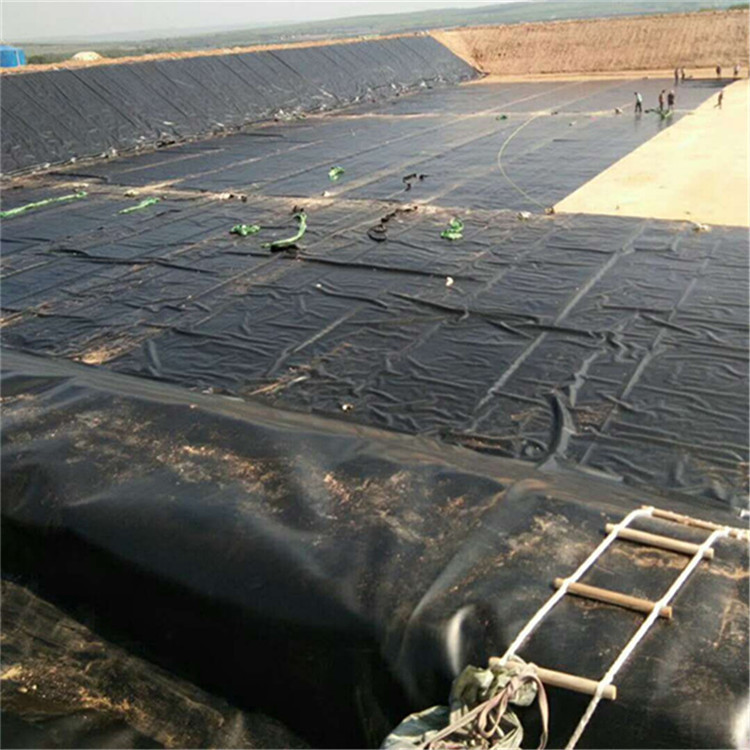
Geomembranes are impermeable polymeric sheets used extensively in environmental, hydraulic, and geotechnical engineering applications such as landfills, reservoirs, canals, and containment ponds. Proper installation is critical to ensure their long-term performance and integrity. This article outlines the standard installation methodology and provides key technical specifications.

Geotextiles in Reservoir Engineering: Impermeability, Filtration, and Construction
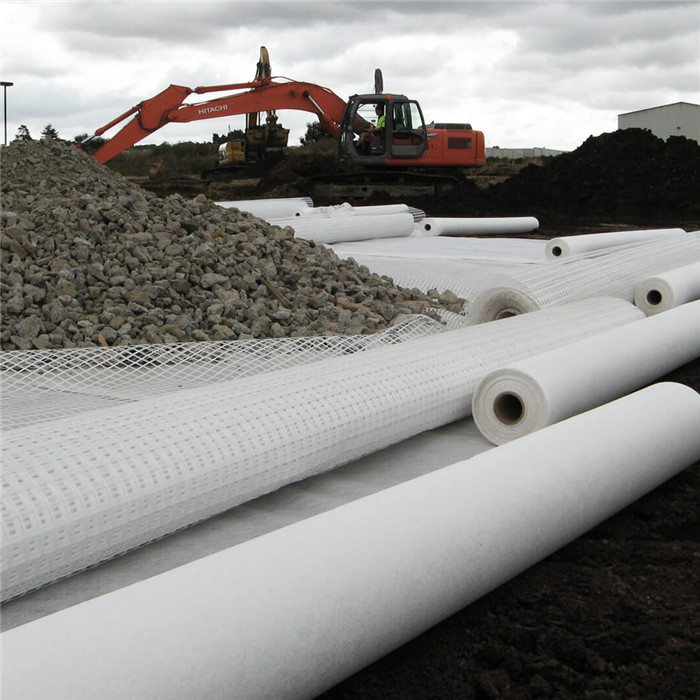
Consulting Brief: Geotextiles for Reservoir Integrity Objective: To implement a cost-effective geotextile solution for enhancing the performance and longevity of reservoir impermeable liner systems. Proposed Solution: Utilize a non-woven polypropylene geotextile as a protective and filtration layer beneath the primary HDPE geomembrane. This composite system ensures a robust and durable barrier against water seepage.
Key Advantages of Geocells for Railway Subgrade Reinforcement
Geocells, a three-dimensional cellular confinement system, offer significant advantages for stabilizing and reinforcing railway subgrades. Their unique structure provides a robust solution for challenging soil conditions.
Contact Us
Tel: +86-538-6110571
Fax: +86-538-8411002
E-mail: sales@rhgeos.com
Whatspp: 8615866038408
Address: NO.3566 Longquan Road, Tai'an Hi-tech Zone, Shandong Province, China

Copyright © Tai'an City Ruiheng Building Materials Co., Ltd.