

Construction of Waterproof Geomembrane for Reservoirs
Release time:
Dec 08,2022
1. Introduction
Waterproof geomembranes are widely used in reservoir engineering to prevent water leakage and ensure long-term structural stability. High-density polyethylene (HDPE) geomembranes are commonly selected due to their excellent durability, chemical resistance, and impermeability. Proper construction techniques are crucial to ensuring the effectiveness of the geomembrane in reservoir applications.
2. Material Preparation
Before installation, the geomembrane material must meet design specifications, including thickness, tensile strength, and puncture resistance. Key steps include:
Material Inspection: Verify quality certificates, thickness uniformity, and absence of defects.
Storage: Store rolls on flat, dry ground, protected from direct sunlight and moisture.
Subgrade Preparation: Ensure the foundation is smooth, compacted, and free of sharp objects that could damage the membrane.
3. Geomembrane Installation
3.1 Unrolling and Positioning
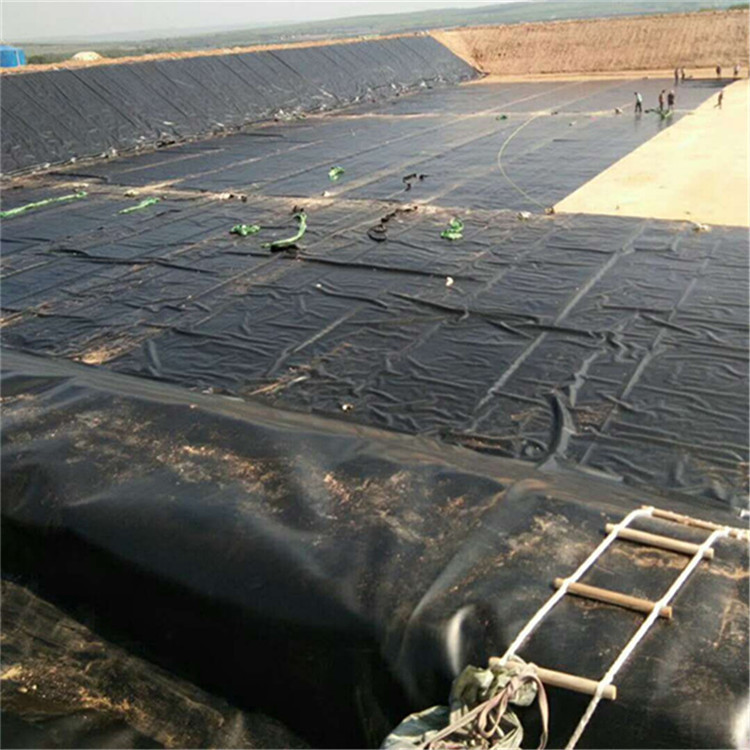
Lay the geomembrane rolls along the slope or base of the reservoir.
Unroll manually or with machinery, avoiding excessive tension or wrinkles.
Allow for thermal expansion by leaving slight slack (1-2%).
3.2 Welding and Seaming
Hot Wedge Welding: Preferred for HDPE geomembranes, using a dual-track welder to ensure seam integrity.
Extrusion Welding: Used for repairs and complex geometries.
Seam Inspection: Conduct air pressure or vacuum tests to detect leaks.
3.3 Anchoring and Fixing
Secure the geomembrane edges in anchor trenches or with mechanical fasteners.
Use sandbags or temporary ballasts to prevent wind uplift during construction.
4. Quality Control
Visual Inspection: Check for holes, wrinkles, or uneven seams.
Non-Destructive Testing (NDT): Use ultrasonic or spark testing for seam integrity.
Destructive Testing: Cut samples from seams for peel and shear strength tests.
5. Protection Layer Installation
After geomembrane placement, a protective layer (usually geotextile or soil) is applied to prevent mechanical damage and UV degradation.
6. Conclusion
Proper geomembrane installation in reservoirs ensures long-term waterproofing performance. Strict adherence to material handling, welding techniques, and quality control measures is essential for a successful project.
Would you like any modifications or additional details on specific aspects?
News

Construction of Geocells: A Technical Overview with Application Guidelines
Geocells, also known as cellular confinement systems, are three-dimensional, honeycomb-like structures made from novel polymer alloys (often HDPE or polyester). When expanded and filled with soil, aggregate, or concrete, they form a rigid mattress that provides exceptional confinement, erosion control, and load distribution. This article details their key advantages, critical parameters, and a step-by-step construction methodology.

Geomembrane Installation: Procedures, Specifications, and Best Practices
Geomembranes are impermeable polymeric sheets used extensively in environmental, hydraulic, and geotechnical engineering applications such as landfills, reservoirs, canals, and containment ponds. Proper installation is critical to ensure their long-term performance and integrity. This article outlines the standard installation methodology and provides key technical specifications.

Geotextiles in Reservoir Engineering: Impermeability, Filtration, and Construction
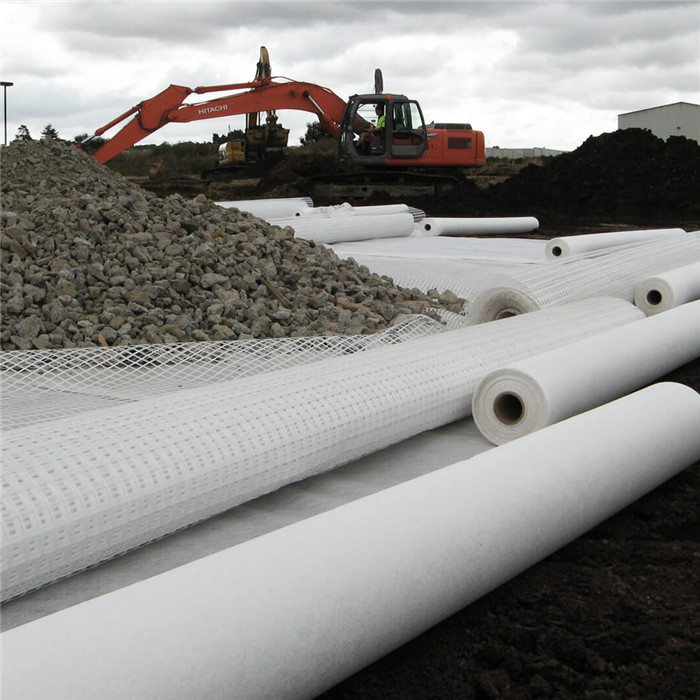
Consulting Brief: Geotextiles for Reservoir Integrity Objective: To implement a cost-effective geotextile solution for enhancing the performance and longevity of reservoir impermeable liner systems. Proposed Solution: Utilize a non-woven polypropylene geotextile as a protective and filtration layer beneath the primary HDPE geomembrane. This composite system ensures a robust and durable barrier against water seepage.
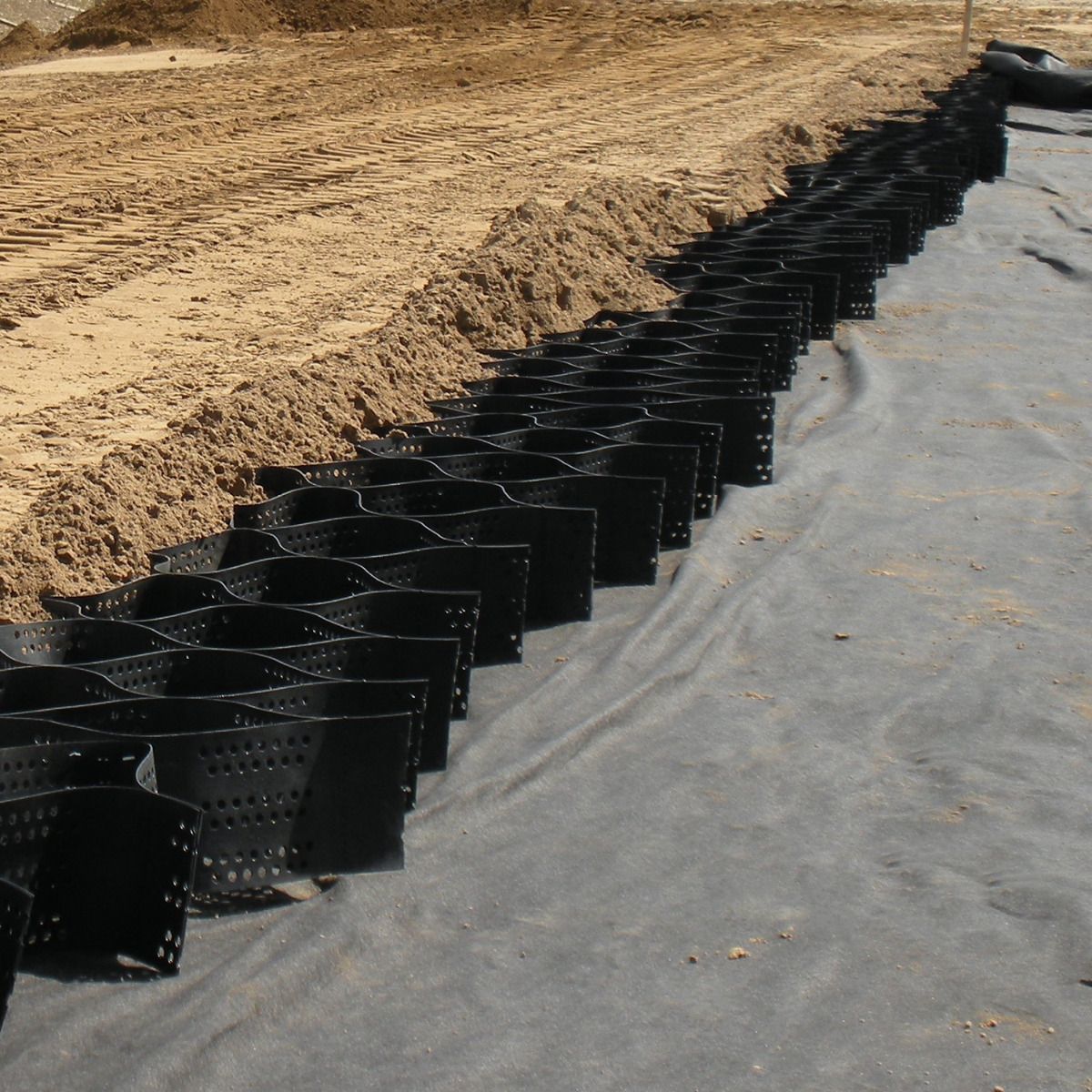
Key Advantages of Geocells for Railway Subgrade Reinforcement
Geocells, a three-dimensional cellular confinement system, offer significant advantages for stabilizing and reinforcing railway subgrades. Their unique structure provides a robust solution for challenging soil conditions.
Contact Us
Tel: +86-538-6110571
Fax: +86-538-8411002
E-mail: sales@rhgeos.com
Whatspp: 8615866038408
Address: NO.3566 Longquan Road, Tai'an Hi-tech Zone, Shandong Province, China

Copyright © Tai'an City Ruiheng Building Materials Co., Ltd.