

Application of Geotextiles in Tunnel Anti-Seepage Construction
Release time:
Aug 15,2025
Geotextiles are widely used in tunnel engineering for their excellent anti-seepage, filtration, and drainage properties.
Geotextiles are widely used in tunnel engineering for their excellent anti-seepage, filtration, and drainage properties. Their applications in tunnel waterproofing and seepage control mainly include the following aspects:
1. Waterproofing Layer Reinforcement
Geotextiles are often combined with waterproof membranes (e.g., HDPE, PVC) to form a composite waterproofing system. The geotextile acts as a protective cushion, preventing damage to the membrane from sharp rocks or uneven surfaces while enhancing structural stability.
2. Drainage System
Installed behind tunnel linings, geotextiles facilitate water flow along their plane, directing seepage water to drainage pipes and preventing water pressure buildup. This helps reduce hydrostatic pressure on the tunnel structure.
3. Filtration and Separation
Geotextiles prevent fine soil particles from clogging drainage systems while allowing water to pass through, maintaining long-term drainage efficiency. They also separate different soil layers, improving structural integrity.
4. Crack Sealing and Leakage Prevention
In areas prone to cracks or joints, geotextiles can be used with waterproof coatings to seal gaps and prevent water infiltration, enhancing tunnel durability.
5. Erosion Control
On tunnel slopes or entrances, geotextiles stabilize soil and prevent erosion caused by rainwater or groundwater flow.
Advantages of Using Geotextiles
High Permeability: Ensures effective drainage.
Durability: Resists corrosion and chemical degradation.
Flexibility: Adapts to uneven surfaces and structural movements.
Cost-Effectiveness: Reduces long-term maintenance costs.
By integrating geotextiles into tunnel construction, engineers can significantly improve waterproofing performance and extend the service life of tunnels.
News

Construction of Geocells: A Technical Overview with Application Guidelines
Geocells, also known as cellular confinement systems, are three-dimensional, honeycomb-like structures made from novel polymer alloys (often HDPE or polyester). When expanded and filled with soil, aggregate, or concrete, they form a rigid mattress that provides exceptional confinement, erosion control, and load distribution. This article details their key advantages, critical parameters, and a step-by-step construction methodology.

Geomembrane Installation: Procedures, Specifications, and Best Practices
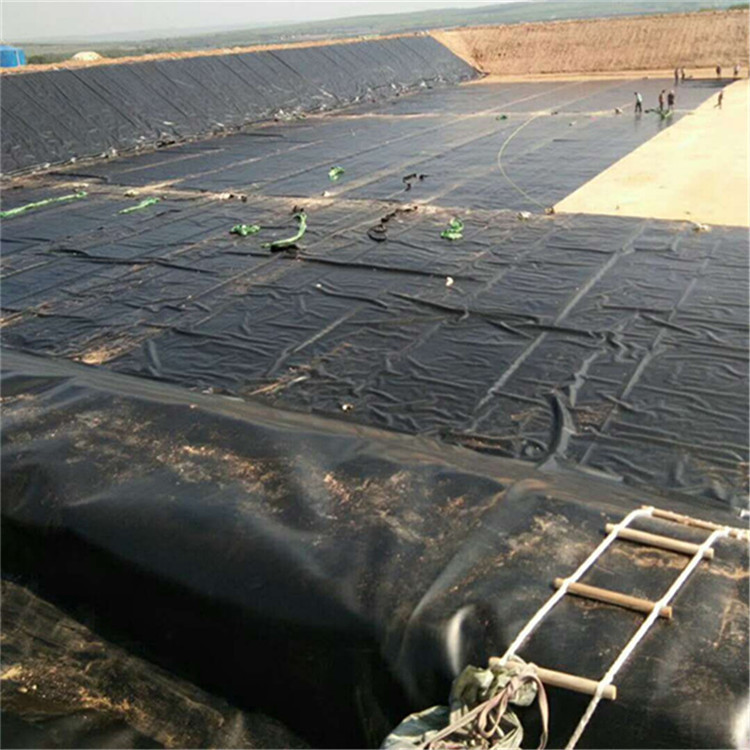
Geomembranes are impermeable polymeric sheets used extensively in environmental, hydraulic, and geotechnical engineering applications such as landfills, reservoirs, canals, and containment ponds. Proper installation is critical to ensure their long-term performance and integrity. This article outlines the standard installation methodology and provides key technical specifications.

Geotextiles in Reservoir Engineering: Impermeability, Filtration, and Construction
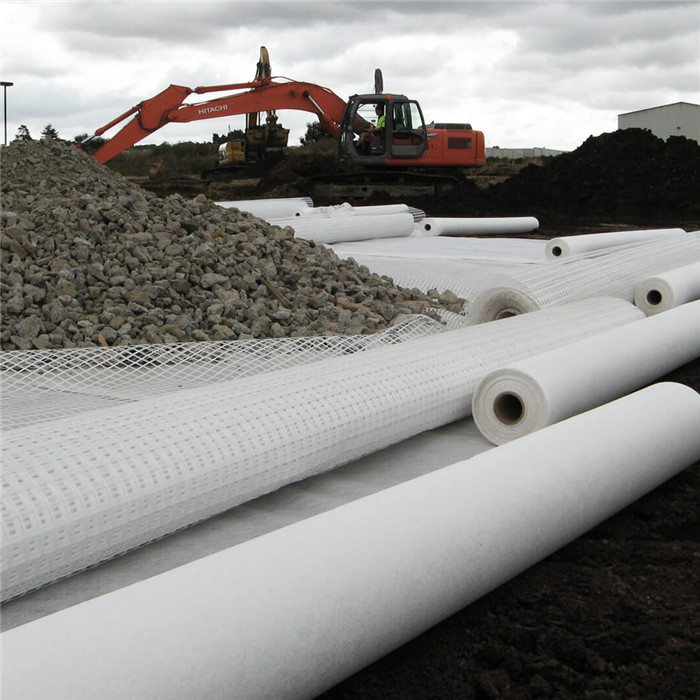
Consulting Brief: Geotextiles for Reservoir Integrity Objective: To implement a cost-effective geotextile solution for enhancing the performance and longevity of reservoir impermeable liner systems. Proposed Solution: Utilize a non-woven polypropylene geotextile as a protective and filtration layer beneath the primary HDPE geomembrane. This composite system ensures a robust and durable barrier against water seepage.
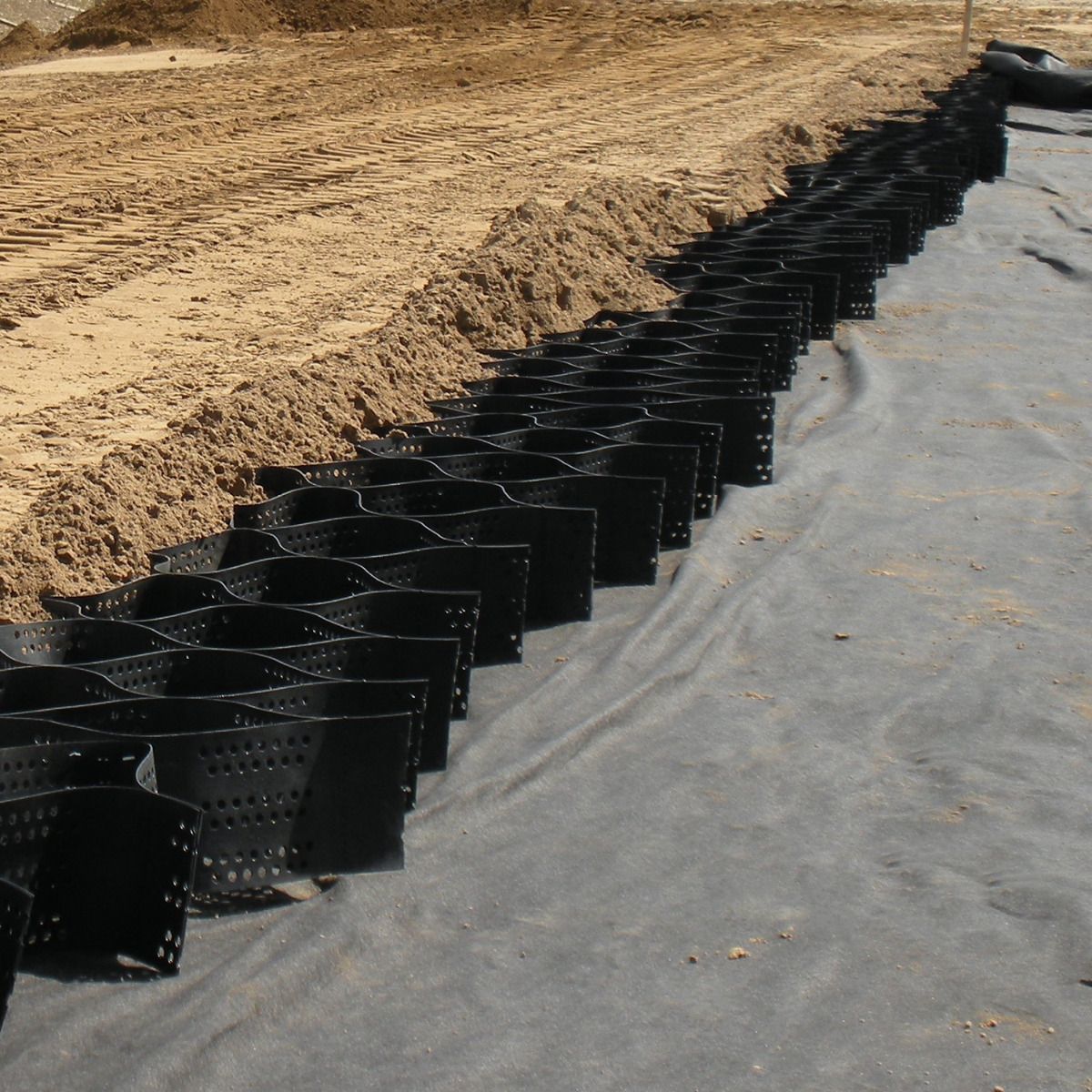
Key Advantages of Geocells for Railway Subgrade Reinforcement
Geocells, a three-dimensional cellular confinement system, offer significant advantages for stabilizing and reinforcing railway subgrades. Their unique structure provides a robust solution for challenging soil conditions.
Contact Us
Tel: +86-538-6110571
Fax: +86-538-8411002
E-mail: sales@rhgeos.com
Whatspp: 8615866038408
Address: NO.3566 Longquan Road, Tai'an Hi-tech Zone, Shandong Province, China

Copyright © Tai'an City Ruiheng Building Materials Co., Ltd.