

Construction and application of geomembranes in environmental protection projects
Release time:
Mar 17,2024
With the improvement of the survival and existence of industry, waste, chemical waste, landfill leakage risk of purification of small, soil, groundwater purification, causing significant harm to the human body.
With the improvement of the survival and existence of industry, waste, chemical waste, landfill leakage risk of purification of small, soil, groundwater purification, causing significant harm to the human body. The use of HDPE HDPE geomembrane to solve China's landfill has become a mature application of technology, more and more use of HDPE geomembrane to solve the environmental protection type of landfill has been widely used in the world. Landfills are a common type of landfill.
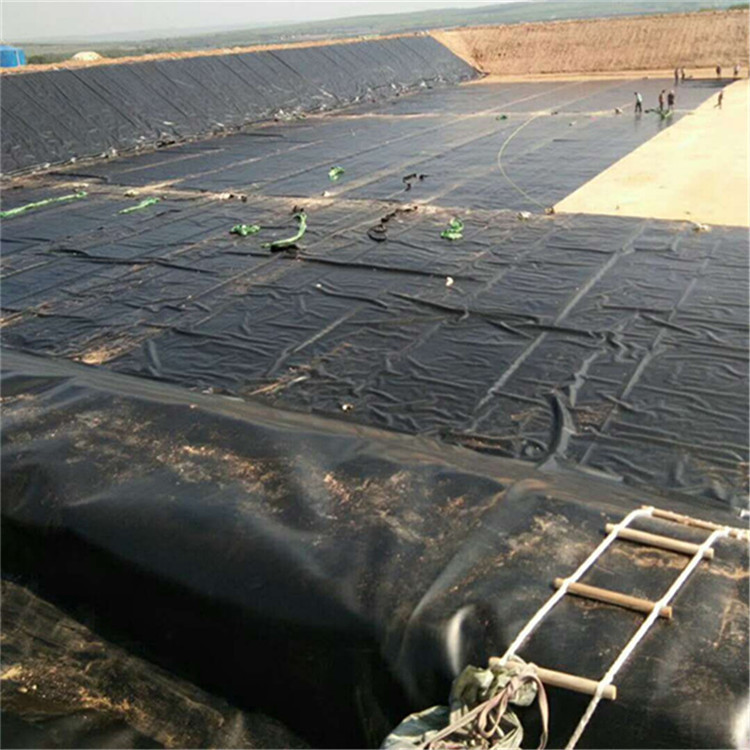
1 . Work before welding, first stop welding test, according to the weather parameters, choose the appropriate welding . Welding, welding equipment should be used. A large area of amateur welding, hot melt welding machine using T-type and cross-shaped double active creep welding; repair of scars, hot melt extrusion welding machine should be used .
2. Steep slope welding with ladder or scaffolding.
3. Anchor pit excavation: anchoring trench size U * 100cm * 100cm 100cm type groove, backfill or stop anchoring concrete; steep slope excavation platform excavation anchoring trench stop anchoring; anchors and anchors can be used to stop sealing.
4. Laying, cleaning, leveling, reaching the soil requirements, density, digging blind trench, drainage pipes and other needs. More specific under the solution can be solved according to the requirements of the plan.
5. Geotextile laying is completed, you can keep the liner pipe laying HDPE geomembrane. Prepare sandbags and other heavy objects, HDPE impermeable membrane pressure, do not let the wind blow. When laying, should minimize the range of welded seams, according to the land size of the practice, the appropriate choice of laying program.
News

Construction of Geocells: A Technical Overview with Application Guidelines
Geocells, also known as cellular confinement systems, are three-dimensional, honeycomb-like structures made from novel polymer alloys (often HDPE or polyester). When expanded and filled with soil, aggregate, or concrete, they form a rigid mattress that provides exceptional confinement, erosion control, and load distribution. This article details their key advantages, critical parameters, and a step-by-step construction methodology.

Geomembrane Installation: Procedures, Specifications, and Best Practices
Geomembranes are impermeable polymeric sheets used extensively in environmental, hydraulic, and geotechnical engineering applications such as landfills, reservoirs, canals, and containment ponds. Proper installation is critical to ensure their long-term performance and integrity. This article outlines the standard installation methodology and provides key technical specifications.

Geotextiles in Reservoir Engineering: Impermeability, Filtration, and Construction
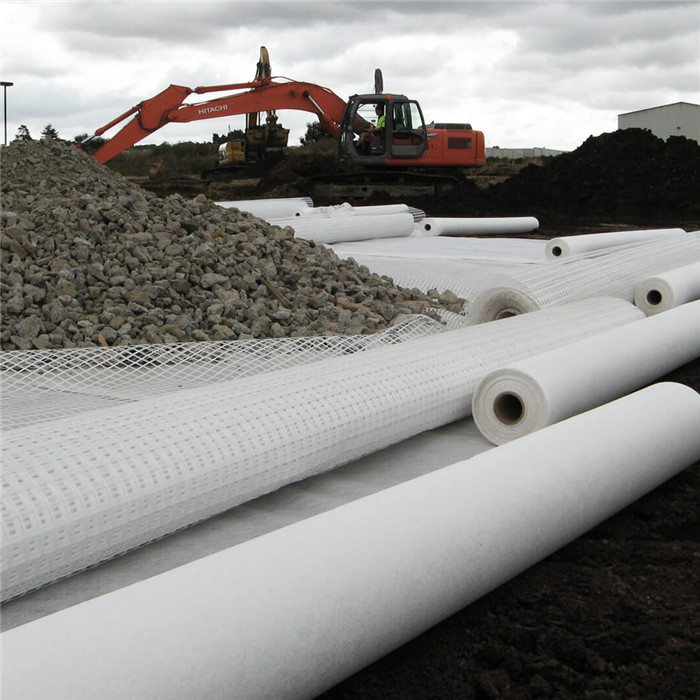
Consulting Brief: Geotextiles for Reservoir Integrity Objective: To implement a cost-effective geotextile solution for enhancing the performance and longevity of reservoir impermeable liner systems. Proposed Solution: Utilize a non-woven polypropylene geotextile as a protective and filtration layer beneath the primary HDPE geomembrane. This composite system ensures a robust and durable barrier against water seepage.
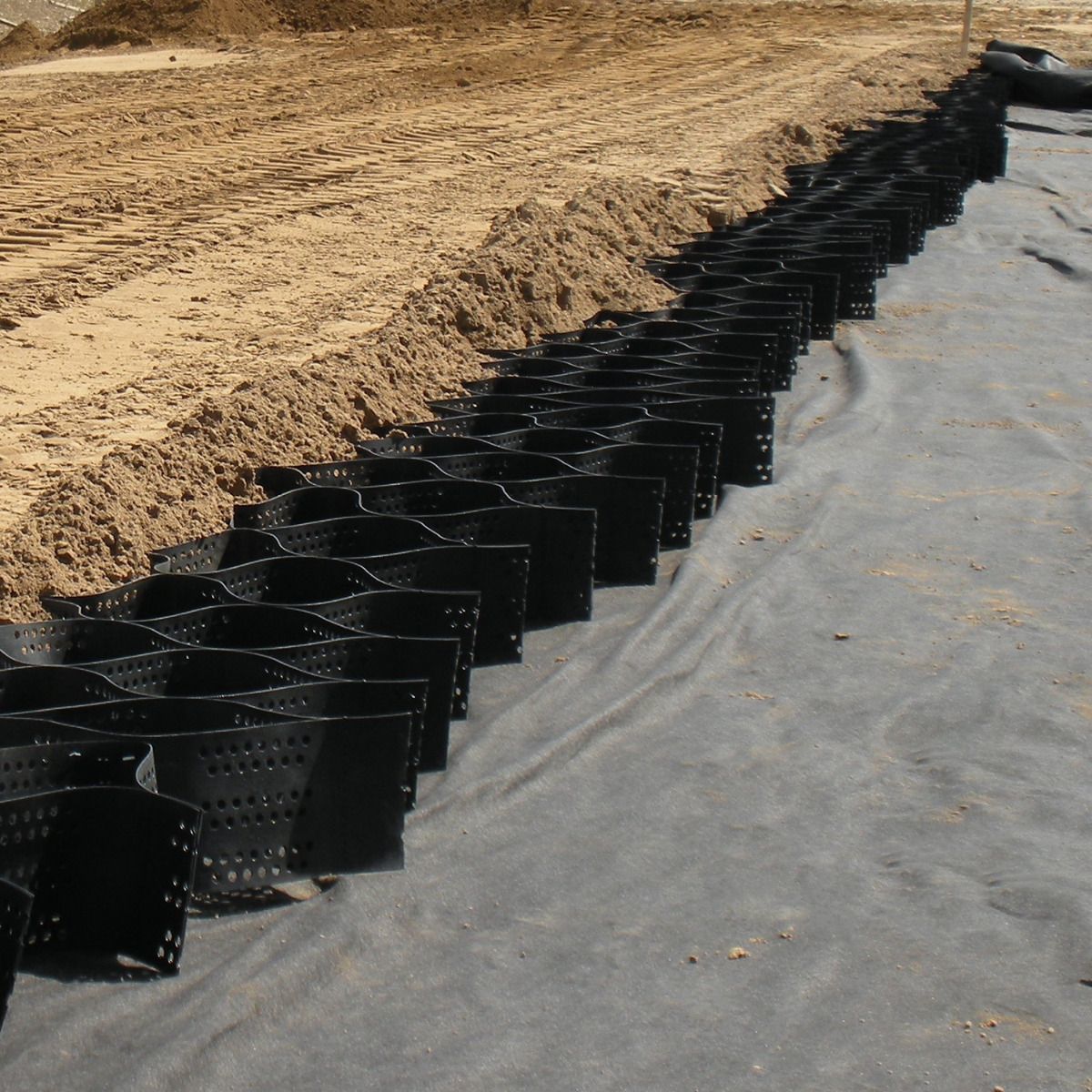
Key Advantages of Geocells for Railway Subgrade Reinforcement
Geocells, a three-dimensional cellular confinement system, offer significant advantages for stabilizing and reinforcing railway subgrades. Their unique structure provides a robust solution for challenging soil conditions.
Contact Us
Tel: +86-538-6110571
Fax: +86-538-8411002
E-mail: sales@rhgeos.com
Whatspp: 8615866038408
Address: NO.3566 Longquan Road, Tai'an Hi-tech Zone, Shandong Province, China

Copyright © Tai'an City Ruiheng Building Materials Co., Ltd.