

What are the uses of composite drainage mesh?
Release time:
Jan 03,2024
Composite Drainage Mesh is a 3D geotechnical engineering mesh double sided combined geotextile, combining geotextile and geonet together to provide a "filter-drainage-protection" effect.
Composite Drainage Mesh is a 3D geotechnical engineering mesh double sided combined geotextile, combining geotextile and geonet together to provide a "filter-drainage-protection" effect.
The three-dimensional structure of the core of the composite drainage mesh can withstand high compressive loads throughout its use and maintain a considerable thickness, thus providing good electrical conductivity. Made from high density polyethylene, the ribs are extruded through a special head with a large rigid center rib to form a rectangular drainage channel.
The three ribs are arranged at specific spacing and angles to form a three-dimensional spatial structure with drainage guide channels. The three layers of ribs forming the drainage network have high longitudinal and transverse tensile and compressive strengths. The drainage channel formed between the three layers of ribs is not easily deformed under high loads.
Can prevent the geotextile fabric embedded in the geonet core, to ensure smooth drainage, three-dimensional composite drainage network combination, geotextile anti-filtration and geonet drainage and three-dimensional composite drainage network, the three-dimensional structure of the core of the net, in the whole process of use, the role of protection. Channel. Three ribs are arranged at a specific spacing and angle to form a three-dimensional spatial structure with drainage guide channel.
High-density polyethylene as raw material, through a special machine head extruded ribs, the middle ribs have greater rigidity, the formation of rectangular drainage to provide a complete Anti-filtration - drainage - protection, efficacy.
News

Construction of Geocells: A Technical Overview with Application Guidelines
Geocells, also known as cellular confinement systems, are three-dimensional, honeycomb-like structures made from novel polymer alloys (often HDPE or polyester). When expanded and filled with soil, aggregate, or concrete, they form a rigid mattress that provides exceptional confinement, erosion control, and load distribution. This article details their key advantages, critical parameters, and a step-by-step construction methodology.

Geomembrane Installation: Procedures, Specifications, and Best Practices
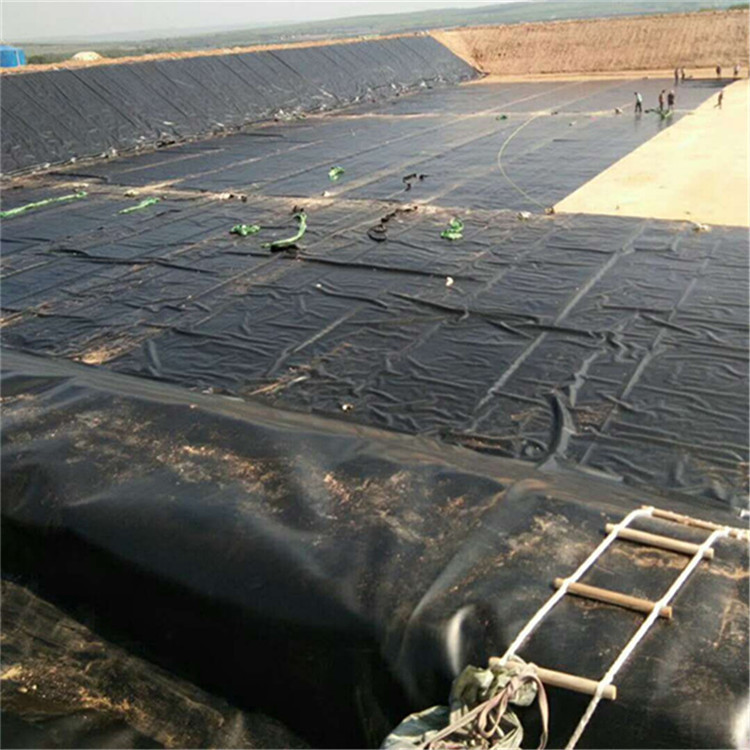
Geomembranes are impermeable polymeric sheets used extensively in environmental, hydraulic, and geotechnical engineering applications such as landfills, reservoirs, canals, and containment ponds. Proper installation is critical to ensure their long-term performance and integrity. This article outlines the standard installation methodology and provides key technical specifications.

Geotextiles in Reservoir Engineering: Impermeability, Filtration, and Construction
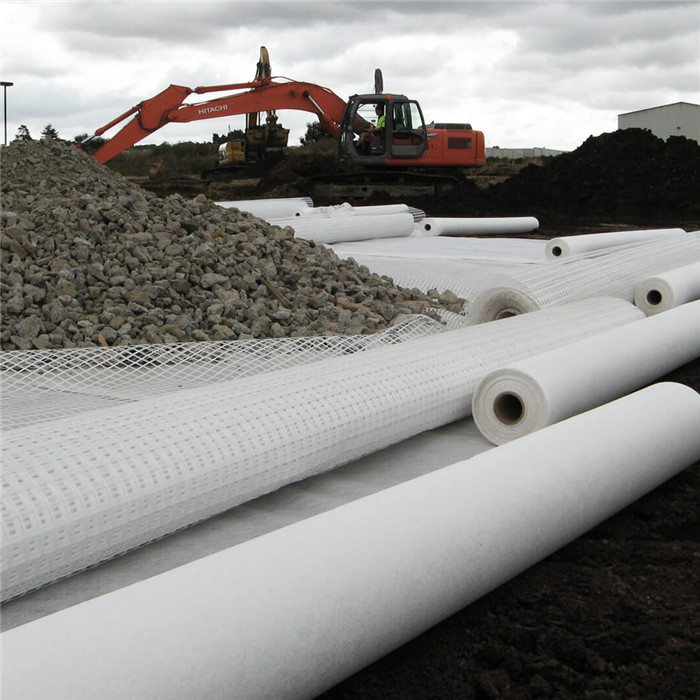
Consulting Brief: Geotextiles for Reservoir Integrity Objective: To implement a cost-effective geotextile solution for enhancing the performance and longevity of reservoir impermeable liner systems. Proposed Solution: Utilize a non-woven polypropylene geotextile as a protective and filtration layer beneath the primary HDPE geomembrane. This composite system ensures a robust and durable barrier against water seepage.
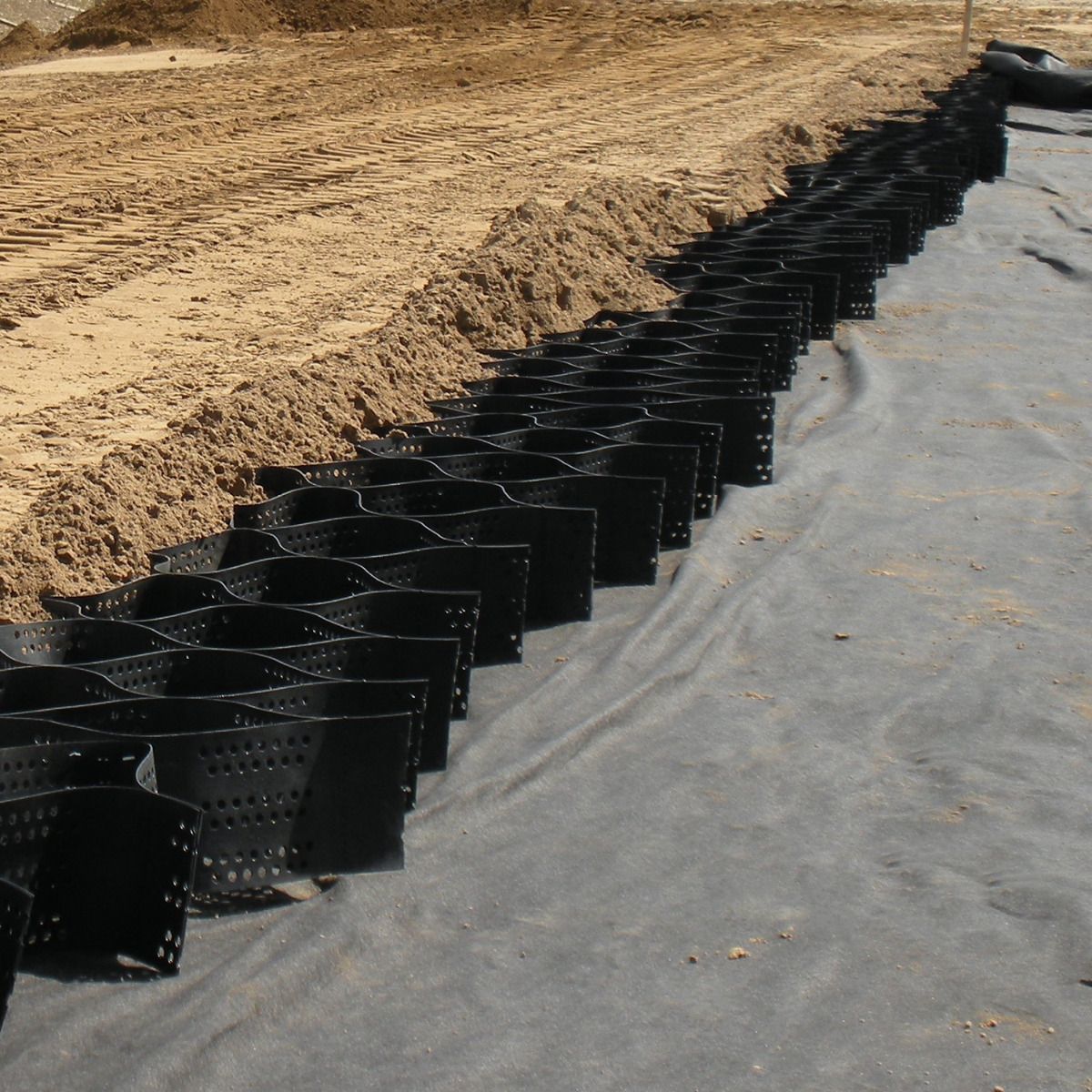
Key Advantages of Geocells for Railway Subgrade Reinforcement
Geocells, a three-dimensional cellular confinement system, offer significant advantages for stabilizing and reinforcing railway subgrades. Their unique structure provides a robust solution for challenging soil conditions.
Contact Us
Tel: +86-538-6110571
Fax: +86-538-8411002
E-mail: sales@rhgeos.com
Whatspp: 8615866038408
Address: NO.3566 Longquan Road, Tai'an Hi-tech Zone, Shandong Province, China

Copyright © Tai'an City Ruiheng Building Materials Co., Ltd.